
A Journey into the World of Hacivat and Karagöz
Unveiling the Ancient Art of Shadow Plays
Hacivat and Karagöz is a traditional Turkish shadow play that has enthralled audiences for centuries. This form of puppetry, prominent in the Ottoman Empire, is much more than mere entertainment; it's a medium that reflects social norms, critiques politics, and celebrates humor and wit. With its roots deeply embedded in Turkish culture, this game offers a unique glimpse into the country’s rich heritage and folklore. In today's digital age, the charm of Hacivat and Karagöz transcends time, continuing to captivate young and old alike.
Origin and Historical Significance
The origins of Hacivat and Karagöz are believed to date back to the early 16th century during the rise of the Ottoman Empire. Legend has it that the characters Hacivat and Karagöz were inspired by real-life stone masons working on the construction of a mosque in Bursa. Their quick wit and banter provided humor during the long workdays and eventually evolved into a form of entertainment offered by itinerant performers.
Traditionally performed during Ramadan, the plays quickly became popular across the region. In a world without modern media, they served as an essential form of storytelling and communication, offering commentary on societal issues and human nature. Despite their historical setting, the themes of equality, human folly, and wisdom portrayed in Hacivat and Karagöz remain resonant today.
Diving into the Gameplay
Understanding the Characters
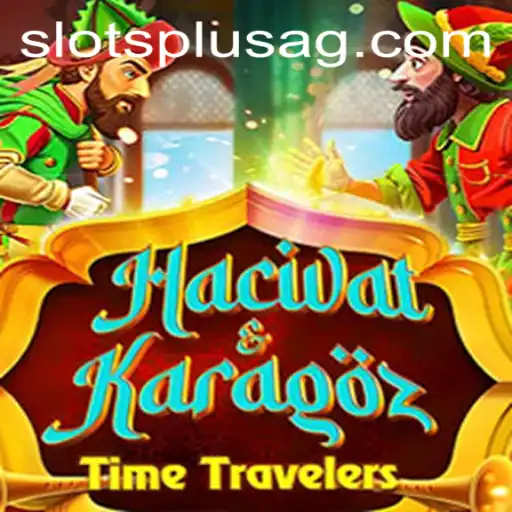
At the heart of the game are its two main characters, Hacivat and Karagöz. Hacivat represents the educated and somewhat pretentious figure, often speaking in a refined Ottoman Turkish. In contrast, Karagöz is portrayed as the witty commoner with a straightforward, sometimes crude, manner of speaking. Their interactions, filled with clever repartees and misunderstandings, drive the narrative of the play.
The Setting and Tools
Traditional performances take place behind a lighted screen using intricately fashioned leather puppets. The puppeteer, known as a hayali, manipulates these figures, voicing all characters while creating an engaging spectacle. The puppets, often painted in vivid colors, are a testament to the craftsmanship of artisans who uphold this cultural legacy.
Rules of Engagement
While Hacivat and Karagöz may lack the structured rules of board games or interactive media, it operates under a consistent framework. Every play begins with the introduction or tekerleme, where Hacivat begins to narrate the setting. This is followed by a series of comedic episodes driven by disputes, misinterpretations, and repartees between the duo and other characters.
Each performance is divided into different scenes or episodes, allowing the puppeteer to cover various scenarios or moral stories. The dialogues are crucial, as they not only entertain but also subtly reflect on the social issues prevalent at the time of the performance.
Despite its historical roots, creators today are infusing modern elements into the plays, jazzing up episodes with contemporary satire. Such adaptations keep the craft vibrant while ensuring its relevance in the modern era.
Hacivat and Karagöz in the Present Day
The timeless appeal of Hacivat and Karagöz has allowed this cultural gem to flourish despite the advent of technology and digital entertainment. Tradition meets modernity as these classic tales find new expression in various forms such as digital animations, online platforms, and interactive applications.
Recently, platforms like bcw.bet have embraced this heritage by incorporating themes and characters from Hacivat and Karagöz into their gaming experiences. Such endeavors highlight an innovative fusion of traditional art with modern digital motifs, offering users a chance to interact with these beloved characters in new, engaging ways.
Beyond digital adaptations, festivals and cultural organizations dedicated to preserving this art form continue to engage younger audiences. Workshops, live performances, and educational initiatives underline the importance of Hacivat and Karagöz in understanding Turkish culture and identity.
The global acknowledgment of this traditional puppet play aligns with a broader shift towards cultural preservation and appreciation. As heritage becomes a focal point amidst globalization, platforms that support and sustain traditional arts gain prominence.
In conclusion, Hacivat and Karagöz stands as a testament to the enduring power of cultural narratives and shared human experiences. Whether through shadow screens or digital interfaces, this ancient art form remains a captivating interplay of creativity, history, and humor.